August 28, 2026
Best Cheap Digicams for Beginners: 6 Real Picks
The best cheap digicam for a beginner is an old CCD compact, not a new no-name camera. Six models worth buying, what each one does well, and what to check.
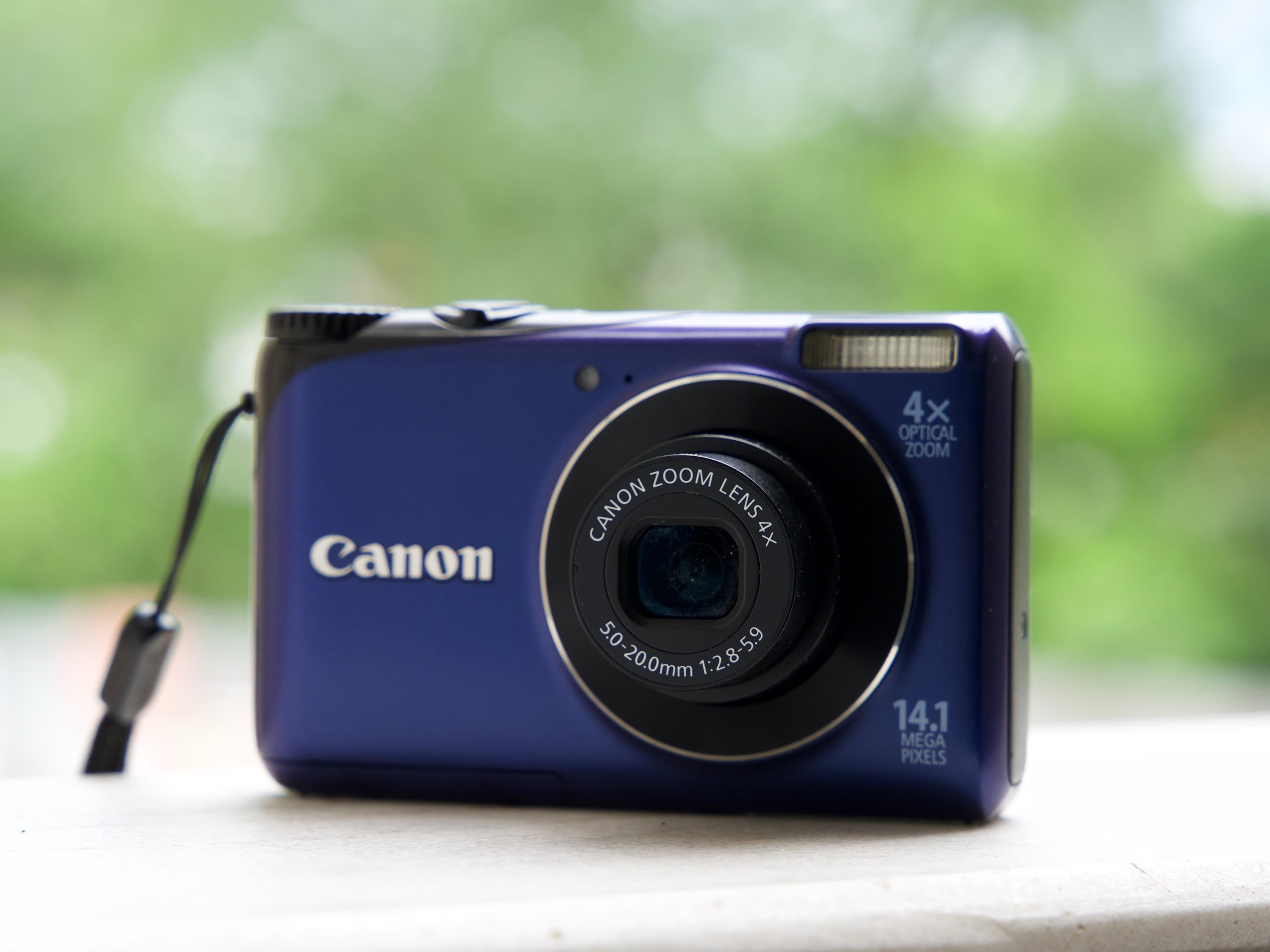
The best cheap digicam for a beginner is a used compact from a real camera company, made somewhere between 2007 and 2012, with a CCD sensor in it. It is not the new camera on a marketplace listing promising 48 megapixels and 4K for the price of a dinner.
That is the whole recommendation, and the reasoning is simple. The cheap end of the new market is flooded with no-name cameras built around tiny phone-grade sensors and inflated megapixel claims. A twelve-year-old Canon or Nikon from an era when these companies still competed hard on compacts will beat all of them, cost about the same, and give you the CCD colour that people are actually chasing.
Here are six models worth your money.
Canon PowerShot A2200 — The Safe First Camera
A 14.1-megapixel CCD compact with a 4x zoom starting at 28mm, slim enough to live in a coat pocket. If someone asks for one recommendation with no follow-up questions, this is it. Canon's JPEG colour in this generation is the most forgiving of any brand — skin tones come out right without you doing anything — and the controls are simple enough that a complete beginner will not get lost. It is the least interesting camera on this list and the one most likely to make you happy.
Canon PowerShot A495 — The Cheapest Way In
10 megapixels, CCD, 3.3x zoom, runs on two AA batteries. That last detail is the point. AA power means you are never stranded by a dead proprietary battery you cannot replace, and you can buy a spare set anywhere. The zoom range is short and the screen is small at 2.5 inches, but as a first camera for a teenager or a travel backup that you genuinely will not cry over, nothing here beats it on price.
Nikon Coolpix L25 — More Zoom, Same Simplicity
A 10-megapixel CCD with a 5x zoom and 720p video, also running on AA batteries. Nikon's rendering in this generation leans slightly cooler and more contrasty than Canon's, which some people prefer for street and landscape work. The extra reach over the A495 is genuinely useful. Like the A495, it is close to indestructible and cheap enough to hand to someone who is still learning not to drop things.
Samsung S860 — The Deep Cut
8.1 megapixels, CCD, 3x zoom, AA batteries, from 2008. The lowest resolution here and the oldest, and that is exactly why it looks the way it does. Cameras from this period had less aggressive noise reduction and sharpening, so files come out softer and more organic — closer to the look people are trying to fake with presets. Buy this one if you already know you want a specific vintage aesthetic rather than a general-purpose camera.
Panasonic Lumix DMC-LZ3 and Lumix FH2 — Stabilised Lumix on a Budget
Both Lumix compacts have image stabilisation to counter hand shake; on the LZ3 it is Panasonic's optical MEGA O.I.S. They differ in the lens: the FH2 carries a Leica-branded zoom starting at 28mm, while the older LZ3 uses Panasonic's own Lumix lens with a longer 6x reach. The LZ3 is the older and more basic of the two; the FH2 is slimmer and more modern. If you have shaky hands or shoot a lot indoors without flash, the stabilisation on either of these will save more photos than an extra two megapixels ever would.
What to Check Before You Buy Any Cheap Digicam
The rules are the same across every camera on this list.
Extend and retract the zoom lens five or six times. It must move smoothly and never show a Lens Error message. This is the number one killer of compacts from this era and it is usually caused by grit from a pocket or a bag.
Open the battery compartment and look for white or green crust on the contacts. Cheap cameras get left in drawers with old batteries inside, which leak. Surface corrosion cleans off; corrosion that has eaten into the metal contacts means the camera is finished.
Shoot a plain white wall at the widest zoom and look for dark specks — that is dust on the sensor, and on a sealed compact it is difficult to remove.
Fire the flash five times in a row. It should recharge in a few seconds each time, not fade after the first shot.
Check the memory card slot accepts a card and that the camera writes to it. Some of these older bodies cap out at 32GB SDHC and will not read a modern high-capacity card, so bring one that matches.
Finally, look at the screen against a bright background for pressure marks and dead pixels.
A Note on Megapixels
Do not choose between these cameras on resolution. Eight megapixels prints beautifully at postcard size and is more than any phone screen will ever show. On sensors this small, more megapixels usually means more noise, not more detail. Choose on how the camera feels in your hand, what zoom range you need, and whether you want AA batteries or a rechargeable pack.
Stock changes often, so check the shop for which of these are available right now. Every camera Silver Cam lists is tested and working, with the lens travel, flash, screen and battery contacts checked before it goes on the site. We service stuck zoom lenses and clean corroded battery contacts on compacts like these, and we buy old digicams you no longer use — including the ones sitting in a drawer that you assume are worthless.